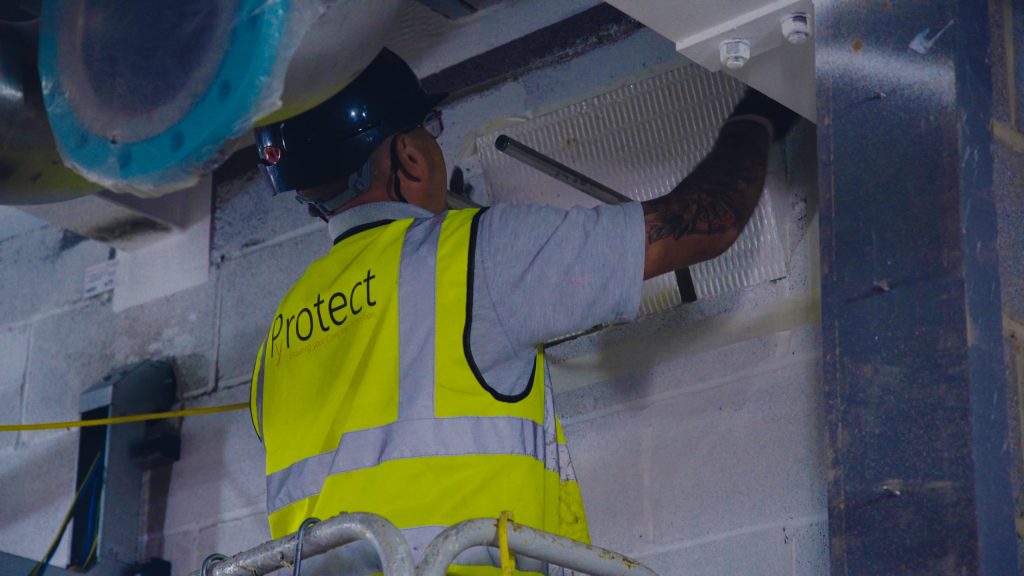
We are an accredited passive fire protection company, offering a range of services and delivering to the highest standards to protect lives, assets and the structural integrity of the building.
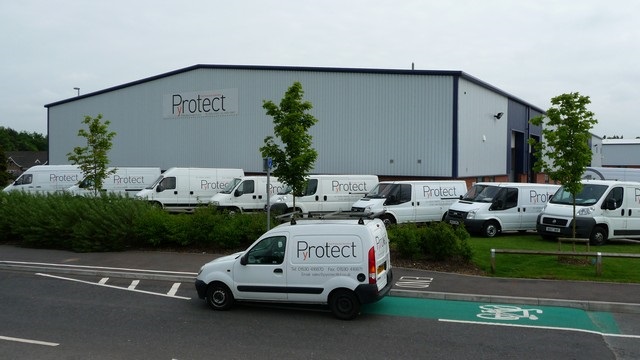
We work with clients nationwide, from our home in Ashby de la Zouch in Leicestershire. It’s from here that we co-ordinate our site teams, manage our accreditations and systems, and welcome clients for passive fire protection workshops.
We’re very proud of the third party accreditations we hold as they provide independent assurance to our clients that our works are compliant and our processes are robust.
These rigorous assessments from respected industry bodies such as FIRAS, Constructionline, CHAS and SafeContractor, as well as to the internationally recognised ISO 9001:2015, demonstrate our commitment to high standards in passive fire compliance, health and safety, quality and business management.
This website uses cookies to ensure you get the best experience on our website.